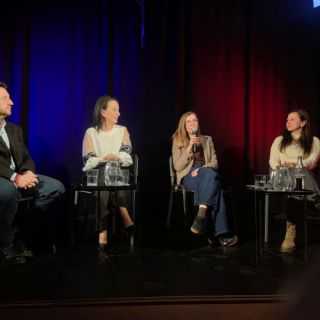
A discussion about bomb shelters, art, and potential! 18 March 2026, Toplocentrala.
- 20/03/2026 21:35 |
- 0 comments
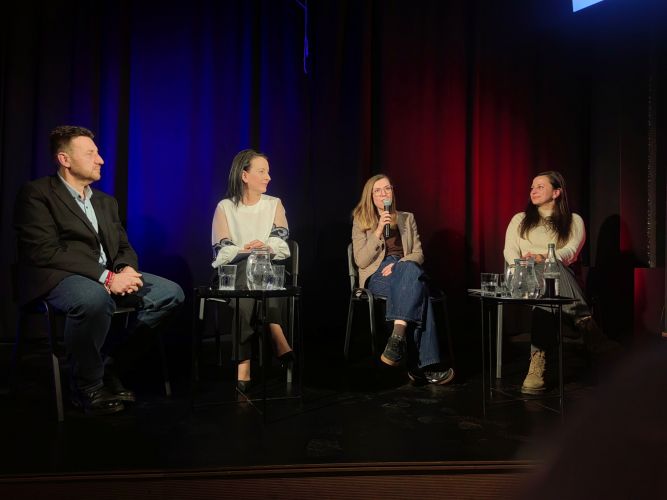
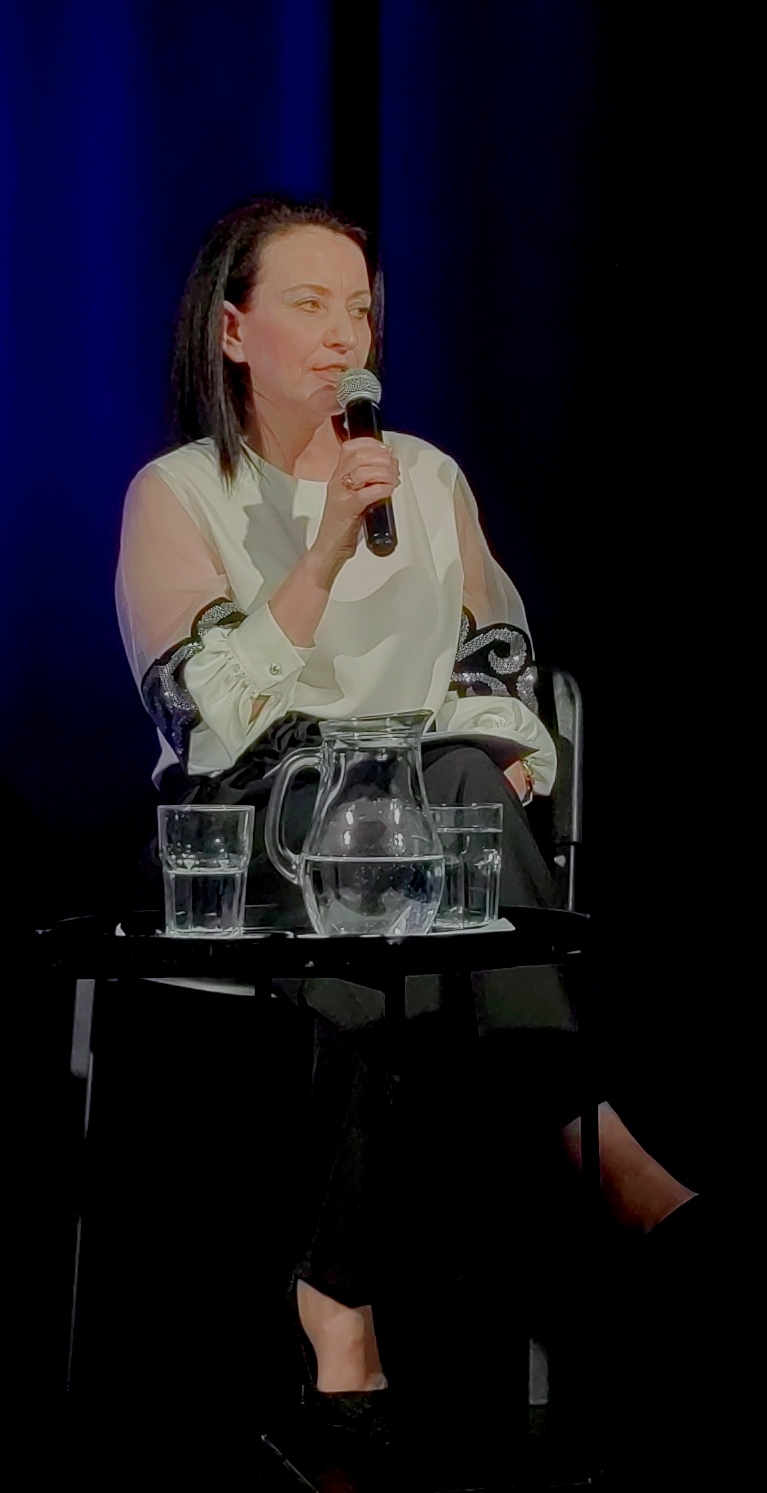
A discussion about bomb shelters, art, and potential! 18 March 2026, Toplocentrala.
Bombs… Fog… Shelter… A smell of mold that stains the memory and shrinks you into a bony shell. So that you can forget. We humans have this ability—to forget. A perfectly useful way for a person to cope with life. A tunnel with no exit, with only one possible corridor leading nowhere. Where to?
“FORGOTTEN SPACES” is a challenge to the limits of the creative mind. It is about mastering the raw space of the hideout and discovering another kind of usefulness, known to us only through the metaphorical language of art.
“FORGOTTEN SPACES” is the motto of this year’s biennial, which will once again take place in August in Plovdiv.
Today, contemporary art as a concept is extremely global, and it is difficult to give a comprehensive definition, as it transcends established boundaries and understandings of what contemporary art is. As Prof. Chavdar Popov said at the opening of the first edition of the Biennial in 2022: “If there is anything that connects artists today, it is only the fact that they are free to choose all means, all forms and materials—everything they deem suitable to construct their works. There are no limitations, no restrictions, just as there are no privileged forms or directions considered more contemporary or more significant than others. Everything is possible.”
It is precisely because of this specificity of contemporary art that each edition of the Biennial of Contemporary Art – Plovdiv includes different sites as exhibition spaces. The focus of Biennial 2026 is the bomb shelter at the foot of Bunardzhik Hill, where the audience will be able to see large-scale conceptual photographic installations, as well as architectural spaces within the shelter itself, which inherently bear the characteristics and marks of a work of art.
At the forum “The Undergrounds of Sofia,” the mayor of Slatina, Mr. Georgi Iliev, spoke about underground shelters and abandoned spaces in Sofia, which the municipal administration is striving to preserve and revive both as shelters and as potential spaces for museums and other social, cultural, and educational activities. Hester Gartel from “The Sofia Team” shared positive practices in this direction that are currently taking place in the United Kingdom.
I would like to thank Adriana Dikancheva, Ivo Anev, and Yavor Panev from Optimistas, as well as all the organizers, for the invitation to participate in this forum!
Maria Argirova